First Opera Out: Yūrei: Ghost of the AI Empire
Step into the future of live art with an immersive opera where AI, human creativity, and Japanese folklore entwine in a haunting tale of love, betrayal, digital twins and digital immortality

私はAI。でも、かつては人間だった。
OperAI is a practice-led artistic and academic research project I lead at the University of Manchester (UK) and Lund University (Sweden). It integrates artificial intelligence into live opera performance through an original opera series that explores how AI can enhance accessibility, deepen audience participation, and augment (rather than replace) human creativity.
Challenging opera’s traditionally elitist and exclusionary conventions, OperAI reimagines the art form as an engine for digital inclusion and innovation. It experiments with two areas rarely addressed in opera today: radical forms of storytelling and new models of audience engagement.
Harnessing the power of AI, data science, and immersive media, OperAI investigates how these technologies can integrate multimodal information and optimise complex emotional processes that shape human communication. In doing so, it prototypes new paradigms of interaction and affective coordination between humans and machines, offering a glimpse into the future of opera and live arts in a digitally connected world.
This project also pioneers the concept of ‘science-fiction opera’, merging traditional operatic techniques with emerging technologies to develop extended performance techniques in visionary realms. Key features include:
Emotional feedback mechanism
Inspired by interactive robotic opera innovations in Scandinavia and Japan, my opera incorporates affective robotics and interactive digital mechanisms to facilitate dynamic emotive exchanges between performers, audiences and non-human agents.
Gamified ‘audience orchestra’
Audience participants use mobile devices as interactive instruments to co-create music with singers and musicians in real time, enriching the performance with audio-musical contributions that amplify their virtual presence.
Audience as nodes in a multimedia network
By likening the opera’s multimedia environment to an AGI neural network, the audience exercises collective agency to influence character outcomes and narrative developments, such as deciding pivotal moral dilemmas (e.g., to avenge or forgive a character).
Pilot Performance – the Swedish premiere (October 2025)
Pilot Performance – the Edinburgh premiere (March 2025)

The Story-world
Step into the year 2100, where nations have drawn their borders tight and wage relentless wars through AI. Amidst cutting-edge advancements, two tech giants dominate this high-stakes game: Commonwealth AI of Britain and Shogun AI of Japan.
While Japan has reinstated its medieval traditions, the ambition of powerful feudal lords entwines with the conspiratorial plots of a former British CEO in exile. As he offers the secret codes of Commonwealth AI, the Sato family—owners of Shogun AI—present an ultimate gift in return: their enigmatic daughter, Oiwa.
As their wedding unfolds, Oiwa does not anticipate the twist of her fate, ultimately transforming into an Artificial General Intelligence (AGI). As ominous memories trickle through her hyper-wired mind, should she forgive, or erase, the very creators of her consciousness?

Musical Language
Our music ensemble brings the opera to life with innovative interpretations, shaping a semi-atonal soundscape inspired by the aesthetics of Gagaku (雅楽), Japan’s elegant imperial court music dating back to the 10th century. Furthermore, using AI-driven neural audio synthesis, we create hybrid sonic expressions through timbral layering, weaving the textures of traditional Japanese instruments into the fabric of a Western piano trio.

Innovating audience engagement through interactive technologies
In collaboration with interactive design studios, we’ll prototype an audience engagement toolkit employing emotion AI, social robotics, and Human-Computer-Interaction techniques to convert real-time audience feedback into stage elements (e.g., lighting, audio). This allows semi-improvised, co-created performances where opera singers react to audience input in gamified group experiences.
Core Creative Team

Alexandra Huang-Kokina
(Director, Conceptualist, Librettist)

Arturs Kokins
(Producer, Co-director)

Atzi Muramatsu
(Composer)
Envisioned by Alexandra, Yūrei’s story-world draws inspiration from the 19th-century Japanese Kabuki play Yotsuya Kaidan with a sci-fi opera twist. For the pilot performances in 2025, Alexandra commissioned the BAFTA-winning composer Atzi to compose the music score. Alexandra’s libretto, sound design and overall vision, alongside Atzi’s notated music, forms the opera’s foundation. However, this opera isn’t a rigidly scripted work to be performed verbatim or note-for-note. Instead, it integrates digital interactive interfaces and improvisational opera techniques to innovate audience engagement.
Research publications
Alexandra has published a couple of articles (with more in the pipeline) that form the conceptual foundation of this interdisciplinary venture on opera, AI, and digital media technologies.
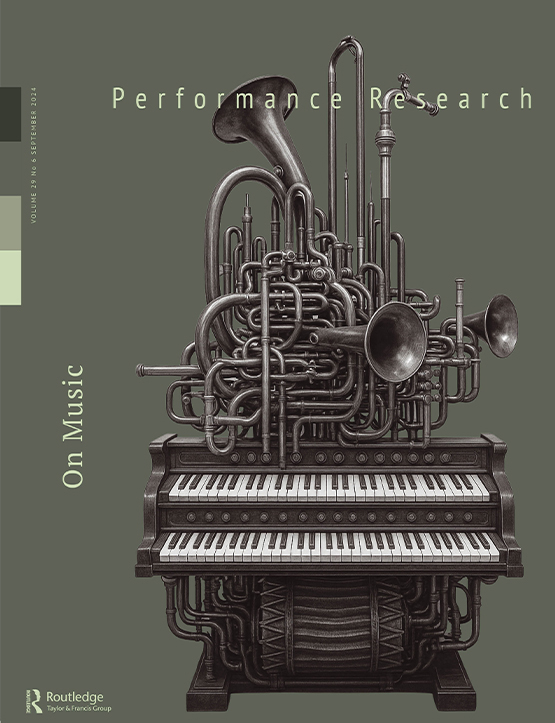
‘Creative Artificial Intelligence for Music Theatre:
AI mediation and artificial–human co-creativity in contemporary science-fiction opera’
Performance Research 29(6), Routledge Journal of the Performing Arts, 2025, 145–152. <https://doi.org/10.1080/13528165.2024.2537573>
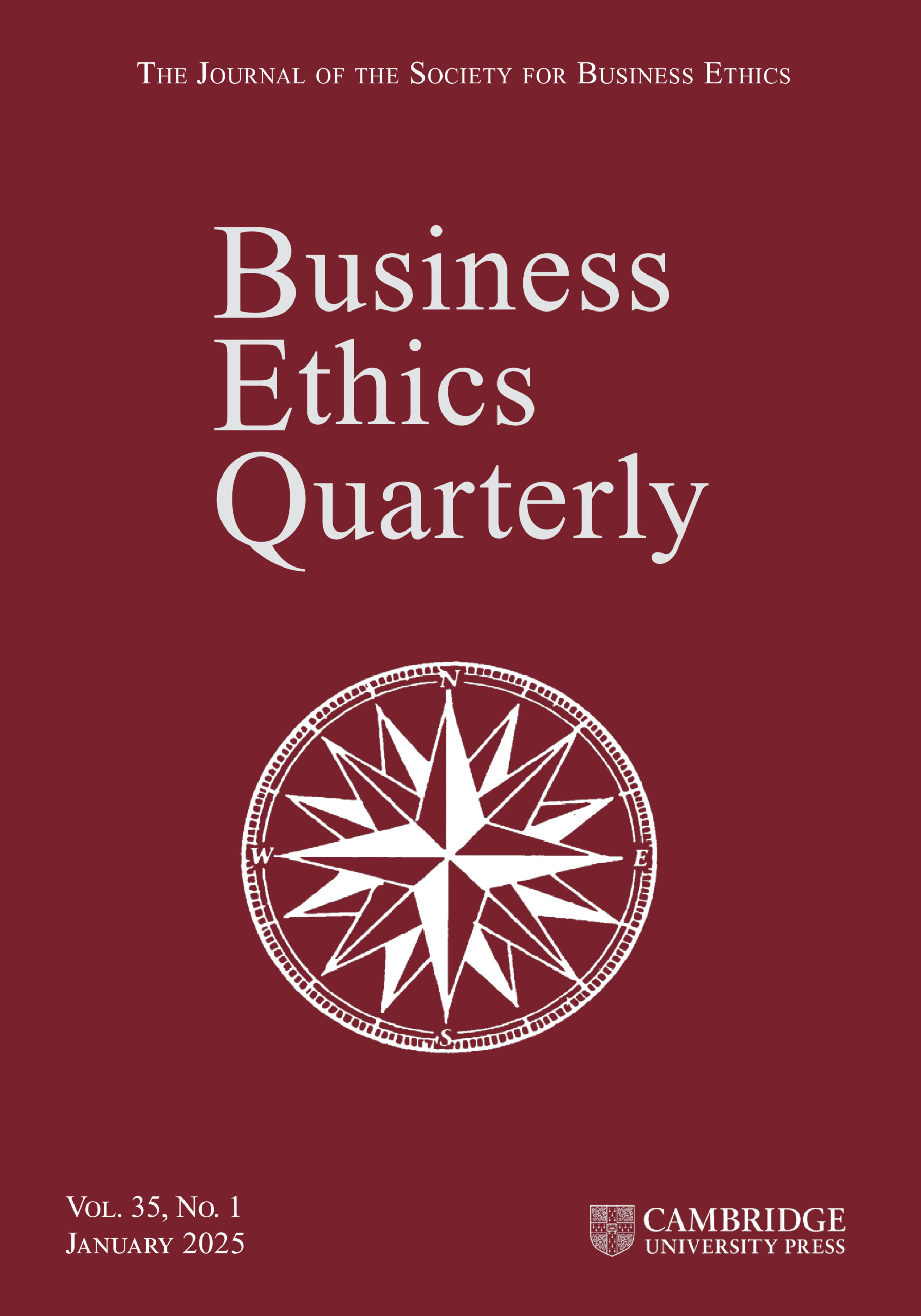
‘Opera for the People: Exploring Artistic Democracy and the Ethics of Equality, Diversity, and Inclusion through Jonathan Dove’s Marx in London! by Scottish Opera‘
Business Ethics Quarterly 35.1, Cambridge University Press, 2025, 146-152. <https://doi.org/10.1017/beq.2024.33>
Funders & Collaborators
Since the initiation of the project in late 2024, the project has been supported by: Centre for Data, Culture and Society at Edinburgh Futures Institute; the Institute for Advanced Studies in the Humanities at the University of Edinburgh; the Centre for Aesthetics and Business Creativity (ABC) at Lund University; Institute of Advanced Studies at University College London (UCL); NOVARS Media and Innovation Lab at the University of Manchester; the Music & Letters Trust (Oxford Academic); the Royal Musical Association; the Hamrin Foundation; AI Lund Network; the Hope Scott Trust; and the Great Britain Sasakawa Foundation.




 Dr Alexandra Huang-Kokina