Edinburgh premiere
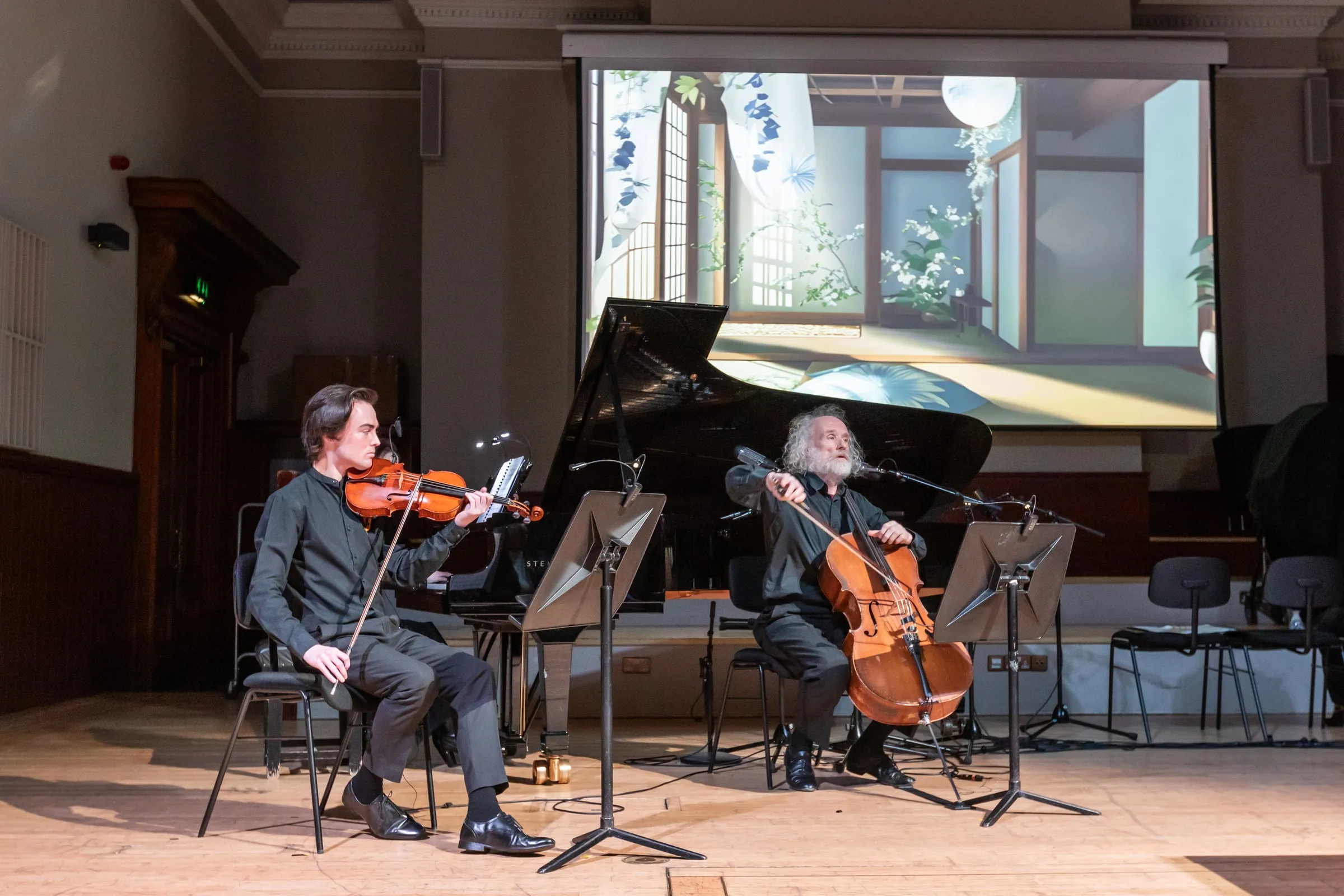
Yūrei: AI Kaidan, part of the Ghost of the AI Empire opera trilogy. Edinburgh Futures Institute, March 2025.
- When
- March 2025
- Where
- Edinburgh Futures Institute, as part of the Digital Innovations for Vocal Music conference
- Alexandra’s role
- Director, conceptualist, librettist, pianist
- Produced by
- Operactive Arts
The production
This project pioneers the concept of ‘science-fiction opera’, merging traditional operatic techniques with emerging technologies to develop extended performance methods in visionary realms. Set in a speculative future driven by AI, this opera series reimagines classic Japanese theatre, inviting diverse audiences to co-create a participatory, semi-improvised experience.
The story-world, the musical language and the interactive technologies are described on the Ghost of the AI Empire page.
“I am an AI, but I was once human.”
私はAI。でも、かつては人間だった。
How the audience took part
Emotional feedback mechanism
Inspired by interactive robotic opera innovations in Scandinavia and Japan, my opera incorporates affective robotics and interactive digital mechanisms to facilitate dynamic emotive exchanges between performers, audiences and non-human agents.
Gamified ‘audience orchestra’
Audience participants use mobile devices as interactive instruments to co-create music with singers and musicians in real time, enriching the performance with audio-musical contributions that amplify their virtual presence.
Audience as nodes in a performance network
By likening the opera’s multimedia environment to an AGI neural network, the audience exercises collective agency to influence character outcomes and narrative developments, such as deciding pivotal moral dilemmas (e.g., to avenge or forgive a character).
Film
Company
Core creative team

Alexandra Huang-Kokina
Director, Conceptualist, Librettist

Arturs Kokins
Producer
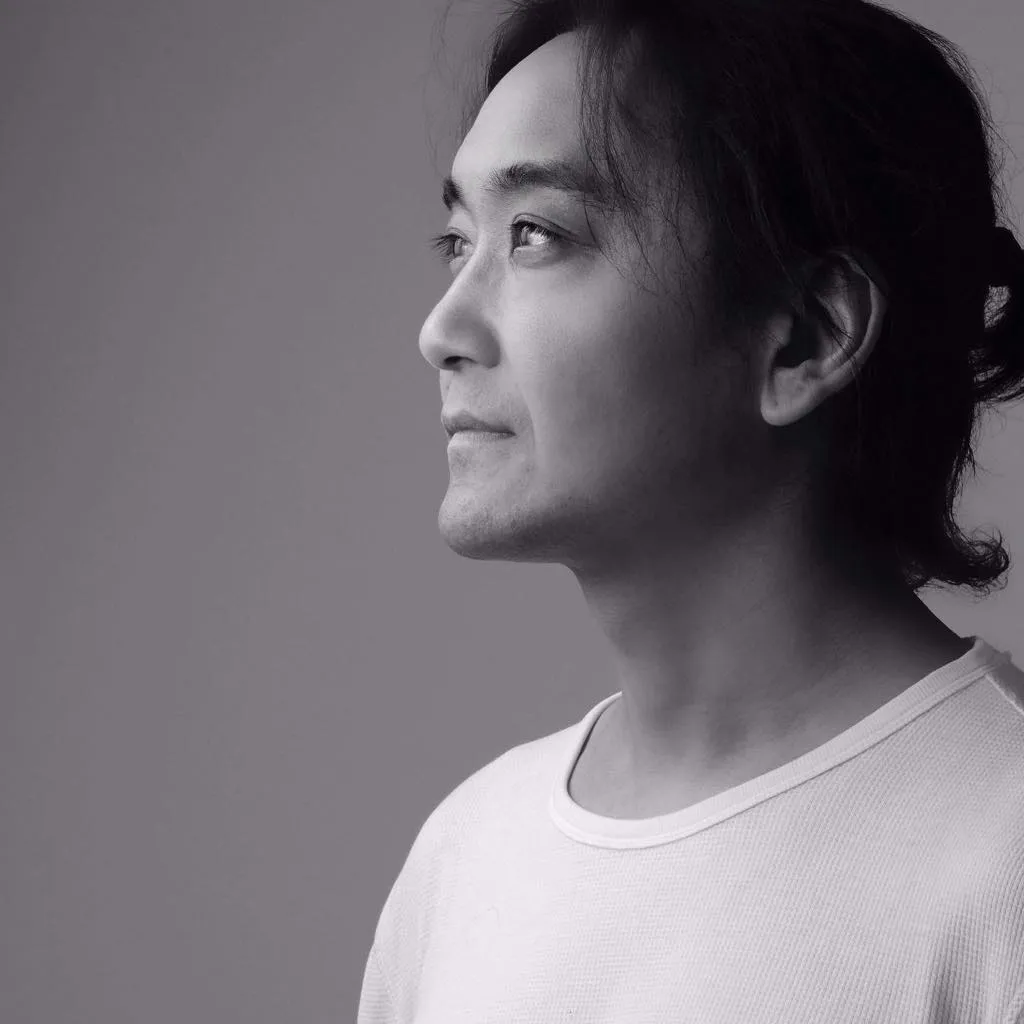
Atzi Muramatsu
Composer
Envisioned by Alexandra, Yūrei’s story-world draws inspiration from the 19th-century Japanese Kabuki play Yotsuya Kaidan with a sci-fi opera twist. Alexandra commissioned the BAFTA-winning composer Atzi to compose the music. Alexandra’s libretto and overall vision, alongside Atzi’s music score, forms the opera’s foundation. However, this opera isn’t a rigidly scripted work to be performed verbatim or note-for-note. Instead, it integrates digital interactive interfaces and improvisational opera techniques to innovate audience engagement.
Cast of the Edinburgh production

Stephanie Lai
Lyric Soprano
Oiwa – a charming second-generation millionaire and the female heir to Japan’s Shogun AI.

Colin Murray
Baritone
Jacob – the ousted CEO of Britain’s Commonwealth AI, determined to rebuild his fallen AI empire in Japan.

Lynn Bellamy
Mezzo Soprano
Ohana – the sharp, calculating & ambitious self-made entrepreneur, driven by intelligence and jealousy.

Stephanie Lamprea
Soprano
Narrator – the omniscient goddess bridging our imaginative gaps in this AI world.
Chamber ensemble

Alexandra Huang-Kokina
Pianist

Paul Docherty
Violinist
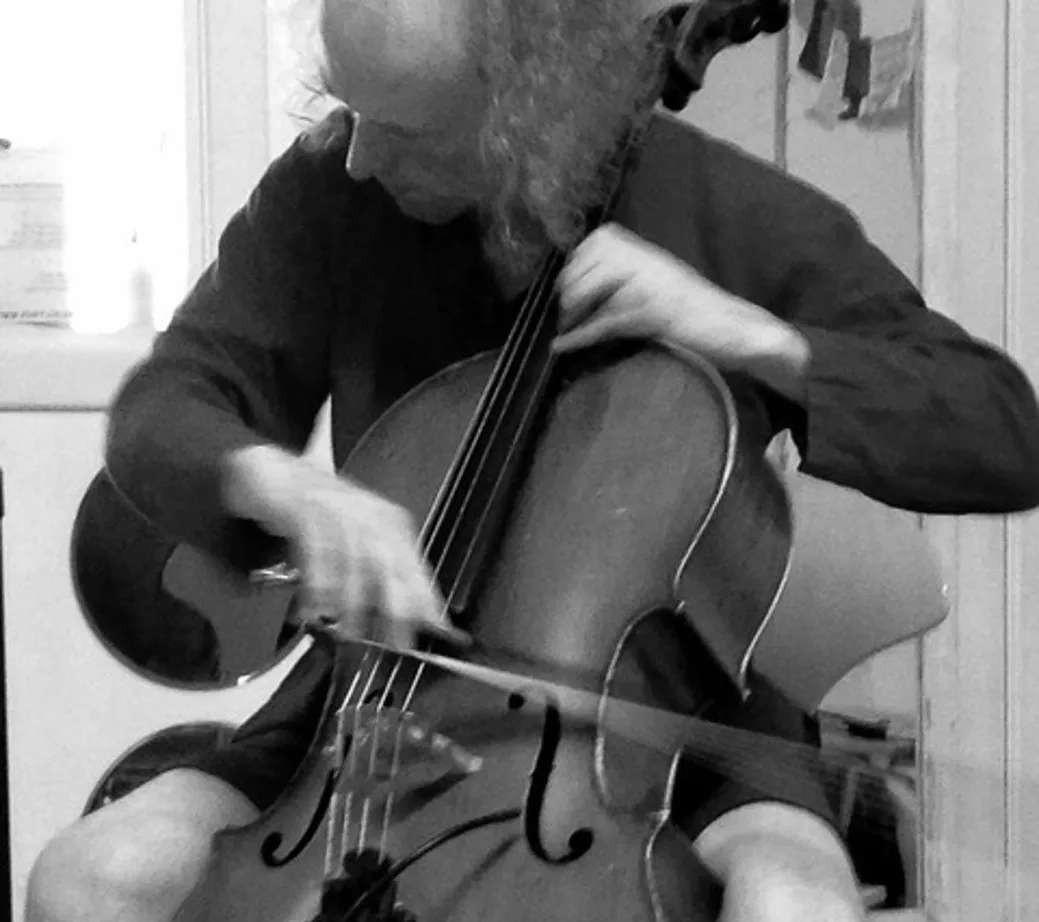
Robin Mason
Cellist
Full credits of the Edinburgh production
Creative team
- Vision & storyworld creator
- Alexandra Huang-Kokina
- Director
- Alexandra Huang-Kokina
- Composer
- Atzi Muramatsu
- Librettist
- Alexandra Huang-Kokina
- Dramaturg
- Alexandra Huang-Kokina
Principals & performers
- Conductor
- Atzi Muramatsu
- Jacob (Baritone)
- Colin Murray
- Oiwa (Lyrical Soprano)
- Stephanie Lai
- Ohana (Mezzo-Soprano)
- Lynn Bellamy
- Narrator (Spoken or sung role)
- Stephanie Lamprea
- Piano
- Alexandra Huang-Kokina
- Violin
- Paul Docherty
- Cello
- Robin Mason
Production team
- Producer
- Operactive Arts
- Production Manager
- Arturs Kokins
- Technical Director
- Arturs Kokins
- Audience Interaction Technologists
- Ray Interactive
- Digital Projection Designer
- Jiarong Yu
- Videographer
- Paul Maguire
- Sound Engineer
- David Waugh
Funders and collaborators
The pilot performance was part of the Digital Innovations for Vocal Music conference at Edinburgh Futures Institute and was graciously supported by the Centre for Data, Culture and Society (CDCS) at Edinburgh Futures Institute, the Institute for Advanced Studies in the Humanities (IASH) at the University of Edinburgh, the Centre for Aesthetics and Business Creativity (ABC) at Lund University, the Music & Letters Trust (Oxford Academic), and the Royal Musical Association.




Review of the Edinburgh production
“An interesting and entertaining performance … a sign of the forward momentum of technology and its place in the arts …. AI Kaidan (Yūrei) may be the beginning of a new operatic form.”
“With what has been presented by Operactive Arts, it’s clear that some of the hands in which this vast, morally and applicatory diverse technology rests are putting it to meritorious use …. The melding of the ancient and the futuristic … has always been the best way to explore and understand the human condition.”
British Theatre Guide